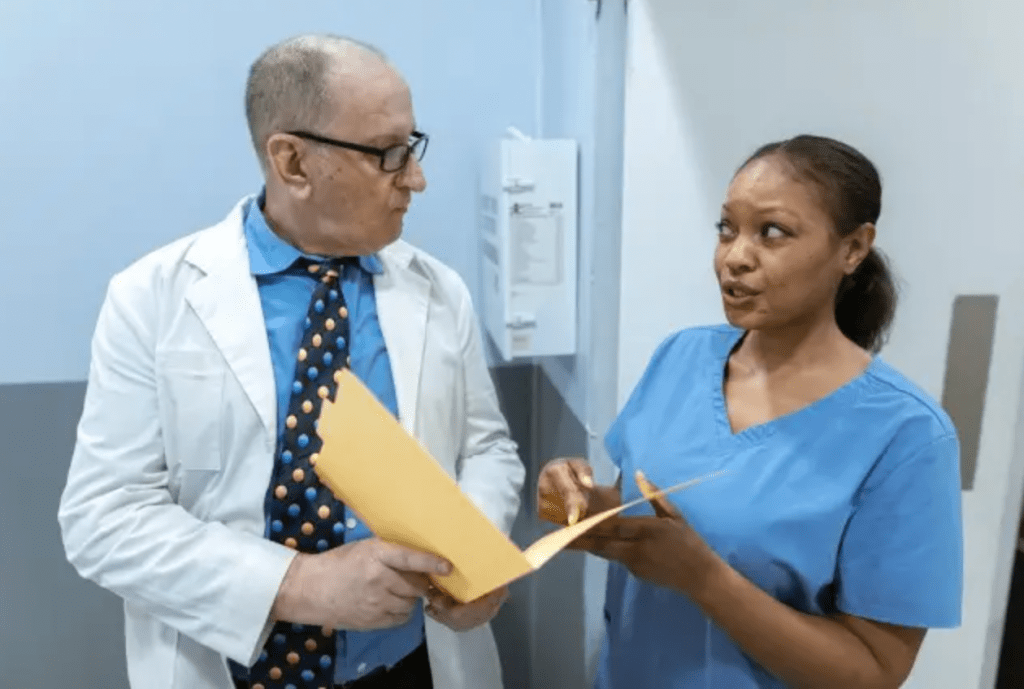
In the scenic yet challenging landscape of Washington State, the pursuit of a Nurse Practitioner (NP) degree comes with a significant hurdle – finding a Seattle NP Preceptor. This investigative report delves into the complexities faced by NP students, especially those from Walden and Chamberlain’s FNP and PMHNP programs, as they navigate the exceptionally difficult terrain of securing clinical placements in Seattle and its surrounding areas.
The Critical Role of Seattle NP Preceptors
Seattle NP Preceptors are crucial in the educational journey of an NP student, bridging the gap between theoretical knowledge and practical, hands-on patient care. They serve as mentors, imparting critical skills and insights that shape the future of healthcare practitioners. However, in Washington State, finding a Seattle NP Preceptor has become a task fraught with obstacles.
The Challenges of Finding Seattle NP Preceptors
Seattle, along with the broader Washington State area, has become one of the most challenging places for NP students to find preceptors. This difficulty is due to a confluence of factors:
- Conservative Approach to Liability and Risk: Many clinics and healthcare facilities in Seattle adopt a conservative stance regarding liability and risk, particularly when it comes to taking on students they don’t know. This caution often results in reluctance to accept NP students for clinical rotations.
- Exclusive Agreements with Local Schools: Several clinics in Seattle have established exclusive agreements with local nursing schools, limiting opportunities for students from outside programs like Walden and Chamberlain.
- High Competition for Limited Spots: With a growing number of NP students in the area, the competition for securing a spot with a Seattle NP Preceptor is fierce. This situation is exacerbated for specialties like Family Nurse Practitioner (FNP) and Psychiatric Mental Health Nurse Practitioner (PMHNP).
The Experience of Walden and Chamberlain Students
Students from Walden and Chamberlain, particularly those in the FNP and PMHNP tracks, face an uphill battle in securing a Seattle NP Preceptor. Many students recount stories of spending months searching for a preceptor, facing numerous rejections, and feeling a sense of despair as their educational timelines get extended. They sometimes have to resort to finding an agency like Preceptor Tree, which can help them find a preceptor in less than a week in some cases.
Investigating the Preceptorship Process
This report digs deeper into the preceptorship process, examining why Seattle and Washington State pose such challenges. Interviews with healthcare administrators reveal a cautious attitude towards new clinical arrangements due to concerns over quality control and supervision.
The Role of University Support
The investigation also looks into the support provided by universities like Walden and Chamberlain. While these institutions offer robust academic programs, their support in the preceptorship search varies, often leaving students to fend for themselves in a highly competitive market.
The Perspective of Seattle NP Preceptors
Conversations with Seattle NP Preceptors shed light on the other side of the story. Many express a willingness to mentor students but are often constrained by institutional policies or workload. Some preceptors also voice concerns about the lack of communication and coordination with universities, especially those with online programs.
The Broader Impact on NP Education
The difficulty in securing preceptorships in Seattle has broader implications for NP education. It raises questions about access to quality clinical training and the potential impact on the preparedness of NPs entering the workforce. Additionally, it highlights the need for a more streamlined and collaborative approach between healthcare facilities and educational institutions.
Exploring Potential Solutions
This report considers potential solutions to alleviate the preceptorship crisis in Seattle:
- Strengthening University-Clinic Partnerships: Encouraging universities to forge stronger relationships with clinics and healthcare facilities could open more doors for students.
- Expanding Preceptor Incentives: Offering better incentives and support to Seattle NP Preceptors could encourage more clinicians to take on students.
- Policy Advocacy: Advocating for policy changes at the state level to facilitate easier access to clinical training opportunities for NP students.
- Creating Collaborative Networks: Establishing networks that connect NP students with potential preceptors across different programs and institutions.
Conclusion
The quest for Seattle NP Preceptors is emblematic of a larger challenge facing NP education nationwide, particularly in areas like Seattle and Washington State. This investigation highlights the need for a concerted effort from educational institutions, healthcare facilities, policymakers, and the NP community to address these challenges. While the path to securing a preceptor in Seattle is fraught with obstacles, it is hoped that through collaborative efforts and innovative solutions, the journey for NP students in Washington State will become less arduous and more fruitful. As the healthcare landscape continues to evolve, the role of Seattle NP Preceptors remains pivotal in shaping the future of nursing and patient care.