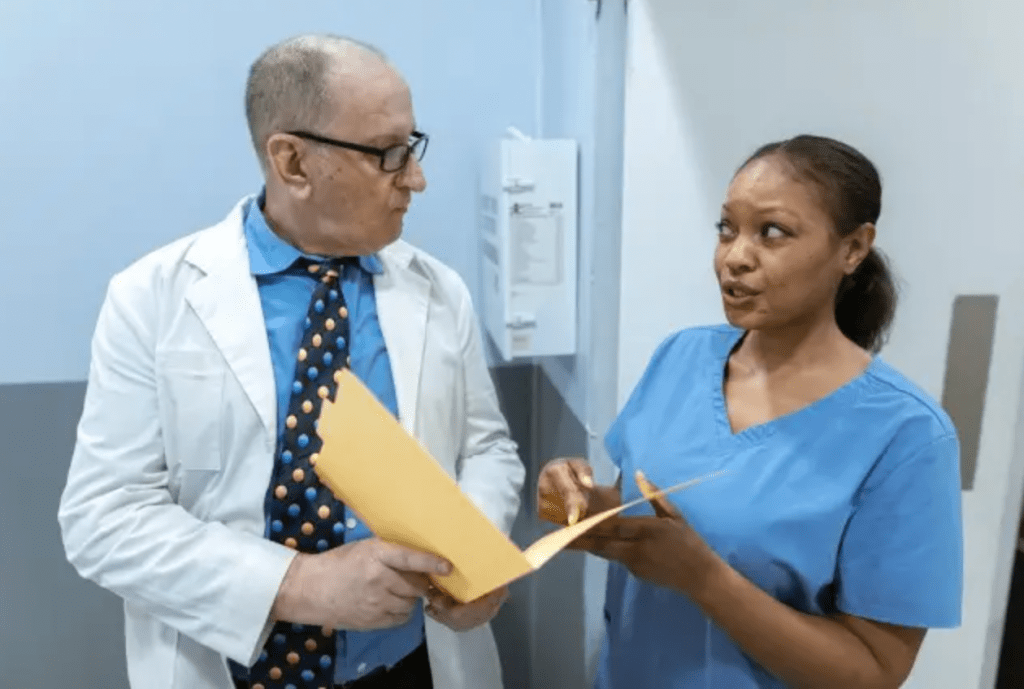
Securing a nurse practitioner clinical placement is one of the most important milestones in your NP program, but for many students, it’s also the most stressful. These rotations are where you take everything you’ve learned in the classroom and apply it to real patients, under the supervision of an experienced preceptor. They are the bridge between theory and practice, and without them, you simply cannot graduate or obtain licensure.

In 2025, finding a placement has become more competitive than ever. The number of NP students continues to rise each year, but the number of available sites has not kept pace. Some regions now have multiple NP programs competing for the same clinics and preceptors, which means students need to be more strategic, more proactive, and more resourceful than in years past.
A nurse practitioner clinical placement is more than just a requirement. It’s your opportunity to gain hands-on experience, develop critical thinking skills, and build the confidence you’ll need in your first role as a licensed NP. A great placement can even open doors for future employment, while a poorly chosen one can delay your graduation or leave you feeling unprepared for independent practice.
The first step in securing a placement is understanding the realities of the current market. Certain specialties are simply harder to book than others. Psychiatry, OBGYN, and pediatrics tend to be in the highest demand, with many preceptors filling their spots months in advance. Family medicine and internal medicine are generally more available, but they still require early planning. If your program requires multiple specialties, it’s wise to start with the most competitive ones so you’re not scrambling later.
Geography also plays a role. In high-population areas with many NP programs—think major cities like Dallas, Los Angeles, and Miami—availability is tight. Rural areas sometimes have more opportunities, but they may require a longer commute or temporary relocation. Understanding your own flexibility in terms of location can greatly expand your options for clinical sites.
The search process can be overwhelming, especially if your school provides little support. Some students start by reaching out to local clinics, hospitals, or specialty practices. Others rely on personal networks, asking professors, coworkers, and former classmates for introductions. Professional associations, such as state nurse practitioner organizations, can also be valuable resources for leads.
Even with all these avenues, many students still find the process challenging. That’s why more NP students are turning to vetted placement services. At Preceptor Tree, for example, we’ve helped over 2,000 students connect with preceptors nationwide. We handle the credential verification, confirm availability, and make sure each site meets the school’s requirements—saving students months of time and uncertainty. In today’s competitive environment, having guaranteed placement can mean the difference between graduating on time or facing costly delays.
Cost is another factor students need to be prepared for. In 2025, most nurse practitioner clinical placements range from $1,500 to $2,000 per rotation, depending on specialty and location. For a typical 125–160 hour rotation, that works out to roughly $12.50–$17.50 per hour of direct supervision. While some students wish they could find a site for free, the reality is that preceptors give up billable patient time and take on additional administrative responsibilities to train and evaluate students. Fair compensation helps keep more preceptors available and willing to teach.
Once you’ve identified a potential placement, due diligence is essential. Confirm that your preceptor’s credentials meet your school’s standards. Verify that the clinic serves the patient population you need for your program’s learning objectives. Make sure the site can provide the full number of hours required. Finally, get everything in writing—start and end dates, expectations, and who will complete the evaluations. This ensures that everyone is on the same page and prevents last-minute surprises.
A successful nurse practitioner clinical placement is about more than just logging hours. It’s about finding a setting where you can learn, grow, and feel supported. The best placements offer a balance of observation and hands-on experience, give you exposure to a variety of patient cases, and provide constructive feedback that helps you improve.
In the end, securing a placement in 2025 requires persistence, flexibility, and early action. Whether you find your own site or work with a service like Preceptor Tree, the key is to start well before your rotation dates, know your priorities, and keep communication professional and consistent. Your clinical placement isn’t just a checkbox for graduation—it’s the foundation for your future career as a nurse practitioner. And if you’re an IMG, contact a place like Clerkship America.
If you’re ready to take the uncertainty out of the process, Preceptor Tree can help you find a vetted clinical site that meets your needs and your school’s requirements, so you can focus on learning—not searching. Learn more about securing your nurse practitioner clinical placement here →