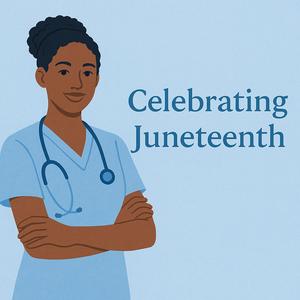
As we reflect on Juneteenth—the day that marked the delayed but monumental announcement of freedom for enslaved people in the United States—we’re reminded not just of the struggle for justice, but of those who quietly built legacies in its wake. One of those people is Mary Eliza Mahoney, the first Black licensed nurse in America, and a woman whose story is as courageous as it is inspiring.
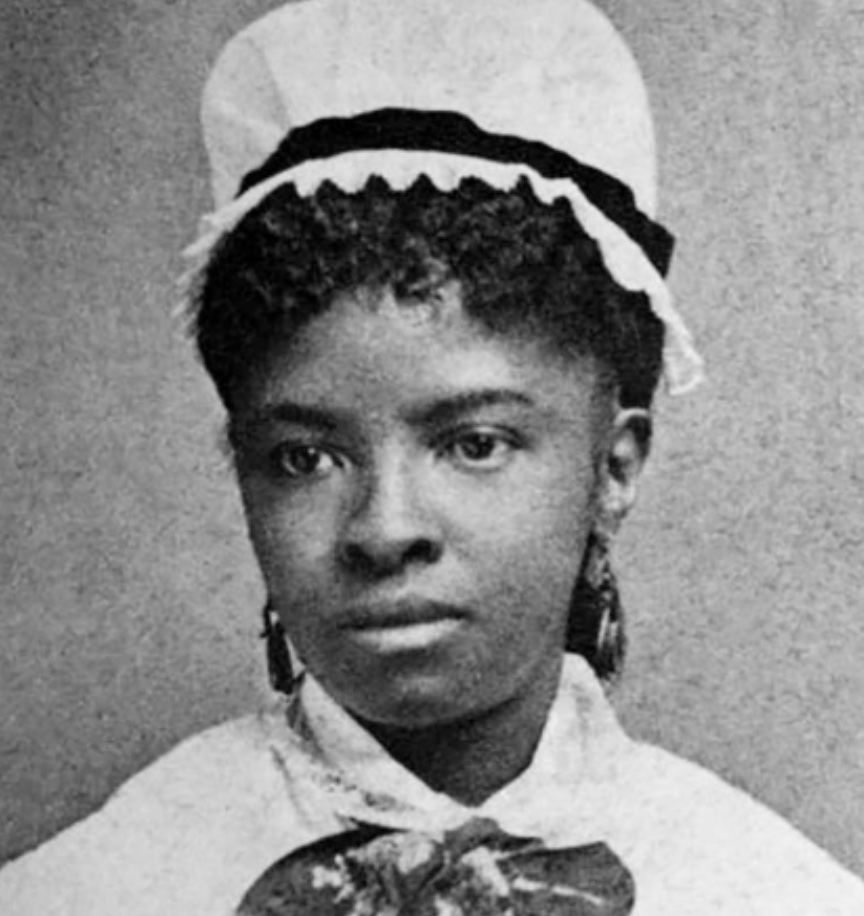
At Preceptor Tree, we work with nurse practitioner students every day. We watch future nurses fight to find clinical placements, juggle school and work, and step into one of the most demanding, selfless professions there is. So it feels right—especially on Juneteenth—to shine a light on a woman who helped make all of this possible.
Who Was Mary Eliza Mahoney?
Mary Eliza Mahoney was born in 1845 in Dorchester, Massachusetts—right in the shadow of slavery and at the heart of a country at war with itself over who deserved to be free. Though she was born free, Mary lived in a deeply segregated, discriminatory society, and had to fight for her education, her profession, and her dignity every step of the way.
At just 18 years old, Mary began working at the New England Hospital for Women and Children, where she served in a variety of support roles: janitor, cook, and nurse’s assistant. For 15 years, she worked behind the scenes before being accepted into the hospital’s rigorous nursing program—one of the few in the country at the time that accepted women. Out of 42 students in her class, only four graduated. Mary was one of them.
In 1879, she became the first African American woman in the United States to earn a professional nursing license.
Her Legacy in the Field of Nursing
Mary Eliza Mahoney didn’t just stop at certification. She went on to become a private nurse, known for her efficiency, skill, and unshakable professionalism. At a time when Black women were routinely dismissed or excluded from professional spaces, Mary set a new standard—quietly, powerfully, and with grace.
She also recognized the need for structural change. In 1908, she co-founded the National Association of Colored Graduate Nurses (NACGN), which advocated for equality in nursing education and professional opportunities. The organization’s work helped lay the groundwork for the eventual desegregation of the American Nurses Association, and opened doors for generations of Black nurses to come.
In 1920, Mahoney made history again—this time as one of the first women to register to vote in Boston, shortly after the ratification of the 19th Amendment.
She lived a life of service and passed away in 1926 at the age of 80. In 1976, she was posthumously inducted into the American Nurses Association Hall of Fame, and her legacy continues through awards, scholarships, and nursing institutions that bear her name.
Why We’re Talking About Mary Eliza Mahoney on Juneteenth
Juneteenth represents the fight for freedom delayed, for dignity withheld, and for justice long overdue. Mary Eliza Mahoney embodies that same spirit—of pushing forward not because the world makes it easy, but because the work is necessary. She is part of the generation of Black Americans who carved out progress in the aftermath of slavery, often with little recognition and against incredible odds.
Her story matters because the work she did was foundational—not just for Black nurses, but for the entire profession. She showed that care could be courageous. That nursing could be a form of quiet rebellion. That progress is often made not in headlines, but in hospital rooms, behind closed doors, through compassion and competence and quiet insistence.
A Word to Future Nurses
If you’re reading this as a nursing student or future NP—especially if you’re feeling unseen or overwhelmed—remember Mary Eliza Mahoney. She paved the way for the profession you are entering. She made space where there was none. And she did it not by waiting for permission, but by showing up, day after day, and doing the work.
We honor her this Juneteenth, and we honor all nurses—past, present, and future—who carry that same spirit forward.