The world of medicine is undergoing a transformation, with Artificial Intelligence (AI) at the helm. One of the most groundbreaking developments in this domain is generative AI. From crafting drug compounds to simulating complex biological systems, generative AI is unlocking a plethora of opportunities. But as the medical landscape evolves, where do Nurse Practitioners (NPs) fit in, and how will their roles transform?
Understanding Generative AI
Generative AI models are designed to generate new content, be it text, images, or even molecular structures. They learn from vast datasets and can create outputs based on patterns and information they’ve assimilated. Companies like Anthropic are at the forefront of this AI research, striving for generalizable and safe AI systems.
An example many are familiar with is ChatGPT, a conversational AI model. While its primary application isn’t medical, it exemplifies the sophistication of generative AI. Imagine such an AI, but specifically trained with medical data; the possibilities are endless.
Generative AI’s Impact on Medicine
- Drug Discovery: Traditional drug development is lengthy and costly. Generative AI can accelerate this process by simulating molecular interactions and proposing new potential drug compounds.
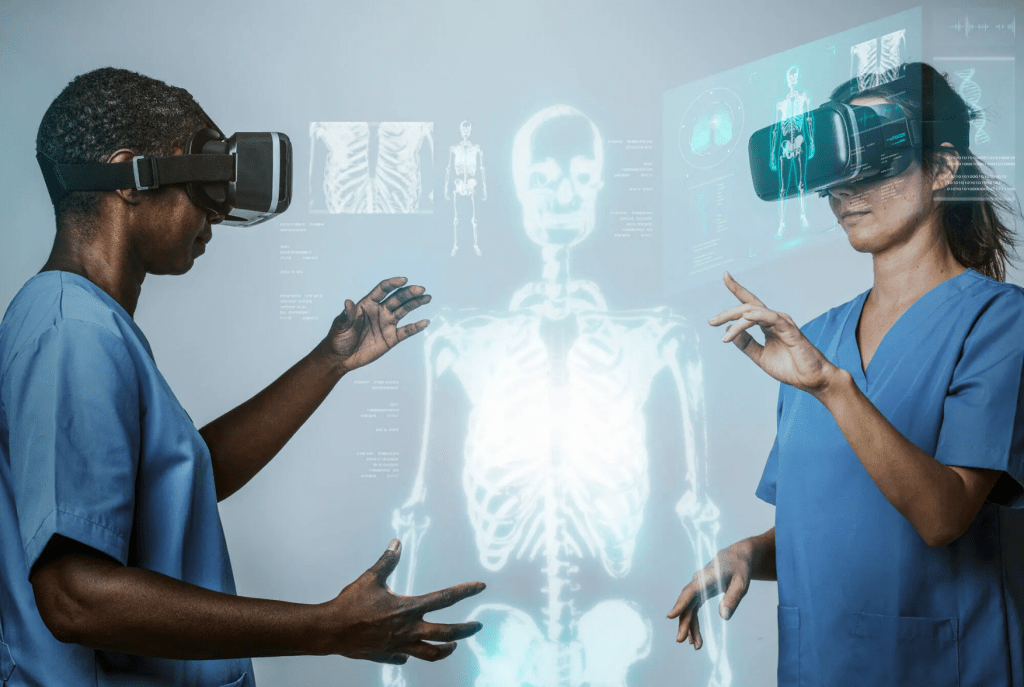
- Medical Imaging: Generative AI can enhance medical imaging, making it easier to detect anomalies and predict diseases earlier.
- Personalized Treatment: Based on patient data, generative AI can create tailor-made treatment plans, optimizing the chances of recovery.
Nurse Practitioners in an AI-Driven Landscape
As AI finds its footing in medicine, NPs will need to:
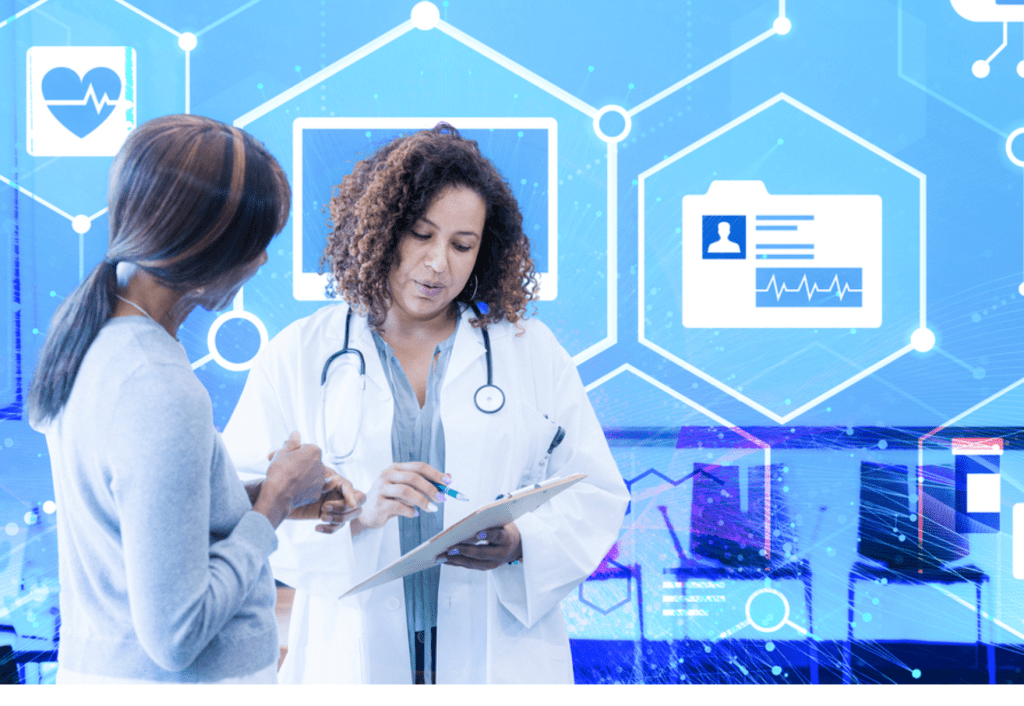
- Integrate AI in Patient Care: Rather than viewing AI as a competitor, NPs should see it as a tool to enhance patient care. Generative AI could assist in diagnosis, suggest potential treatments, or provide insights on a patient’s condition, but the NP’s expertise will determine the best course of action.
- Stay Updated: With AI rapidly evolving, continuous learning is crucial. NP programs may need to incorporate AI literacy, ensuring new NPs are equipped to harness the technology effectively.
- Human Touch in a Digital World: The rise of AI emphasizes the irreplaceable human elements of healthcare. Empathy, ethical considerations, and nuanced judgments are aspects that AI can’t replicate. NPs, with their holistic approach to patient care, will remain indispensable.
- Mentorship and Guidance: As the world of medicine evolves, guidance from experienced professionals becomes even more crucial. Keywords like find a preceptor are gaining significance. Finding the right preceptor will ensure that budding NPs not only master traditional care but also understand how to integrate AI effectively.
A Collaborative Future
Generative AI’s potential in medicine is vast, but its success hinges on collaboration with healthcare professionals. Nurse Practitioners, with their holistic approach and adaptability, are poised to play a pivotal role in this AI-driven medical revolution. By understanding and integrating AI, NPs can ensure that healthcare remains both technologically advanced and deeply human.